
Investment-Based Turkish Citizenship Carries Zero Second-Class Status
Most investors assume there must be a catch — that citizenship obtained through a $400,000 real estate purchase somehow carries fewer rights than one acquired at birth. That assumption is wrong, and it costs some investors years of hesitation. Under Turkish Constitutional Law, citizenship by investment confers identical civil, legal, social, and economic rights as birth citizenship — with no expiration date, no renewal requirement, and no restricted category. As of May 2026, Turkey remains one of the very few countries globally where this full-rights equivalence is constitutionally guaranteed, not just administratively permitted.
That distinction matters enormously to serious investors. When you place $400,000 or more into Turkish real estate to qualify for citizenship, you are not buying a residency permit dressed up as a passport. You are acquiring the same document — and the same standing — as every Turkish citizen born in Istanbul, Ankara, or Izmir. Your children inherit the same status. Your assets receive the same legal protections. Your vote counts the same. This article walks through each right in practical terms, with the market data and strategic context that experienced investors need to make a confident decision.
Opportunity Angle: Investors from non-EU, non-US countries gain a second passport with constitutional standing, which is particularly valuable for wealth structuring, estate planning, and business formation in neutral jurisdictions.
The $400,000 Threshold and What You Actually Receive
Luxury complex with furnished kitchens and convenient location for easy city accessSince June 2022, the minimum real estate investment required for Turkish citizenship has stood at $400,000. The property must be held for a minimum of three years, and the purchase must be officially appraised and registered with the title deed authority. The application process, once documents are submitted, typically takes between three and six months for approval — though processing timelines can vary based on case complexity and document completeness.
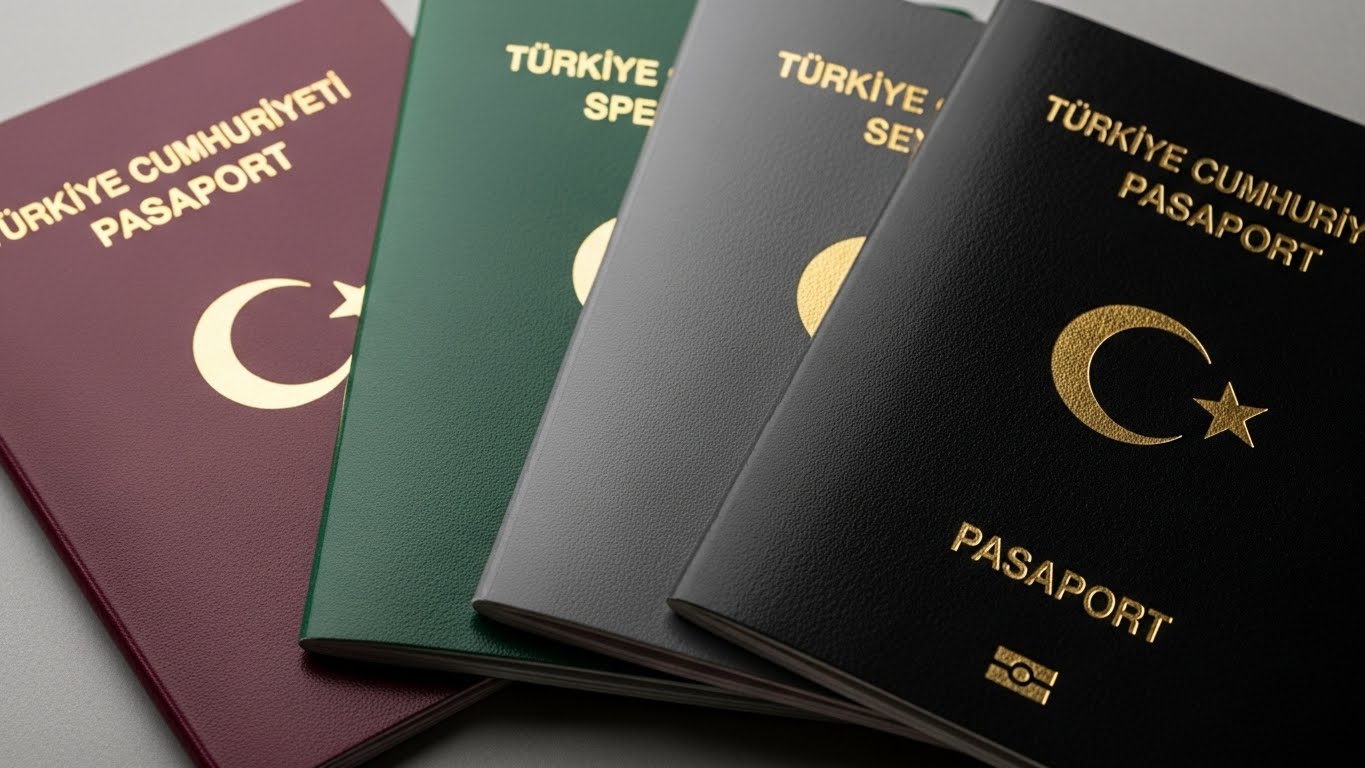
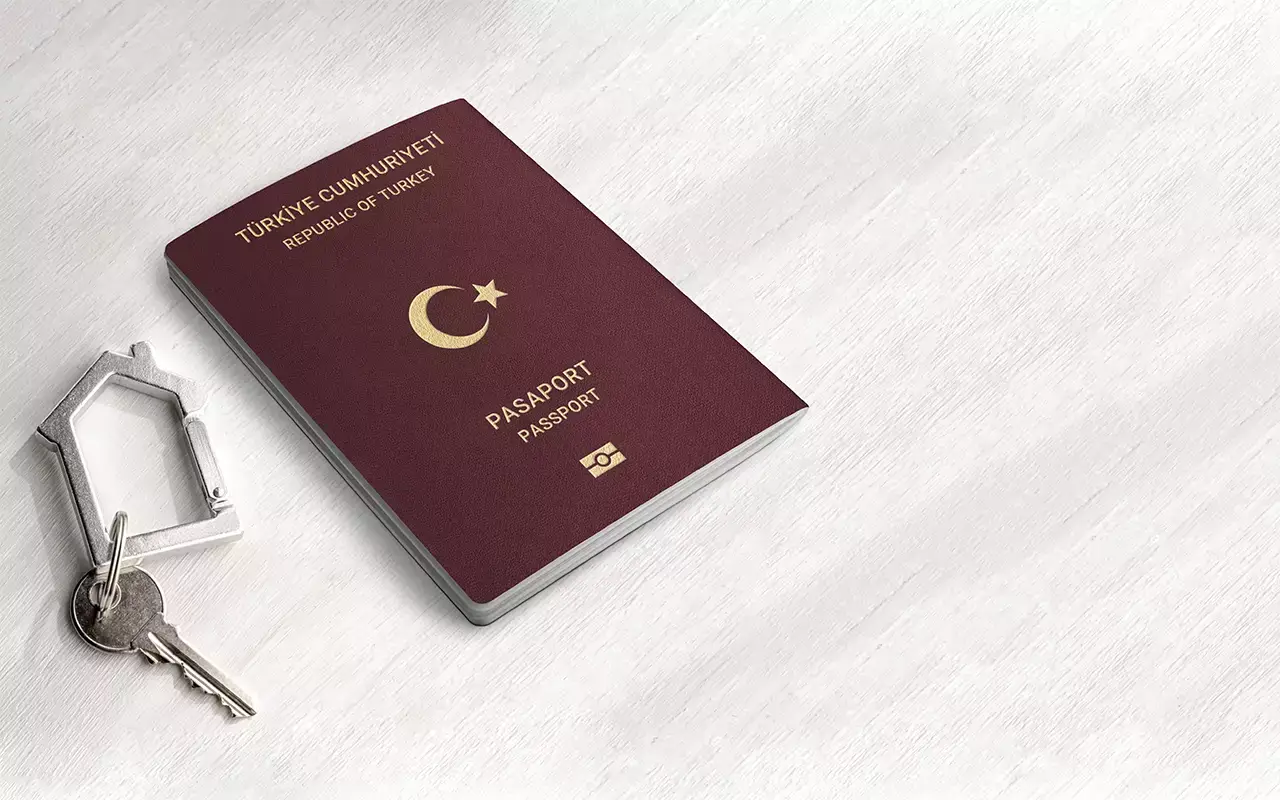
What you receive at the end of that process is not a conditional document. It is a full Turkish passport — the standard burgundy booklet — with every right attached. There is no separate investor category on the passport, no annual reporting requirement tied to your investment status once citizenship is granted, and no restrictions on where in Turkey you can live, work, or own property. In our recent client transactions, we are seeing increasing numbers of investors from the Middle East, Central Asia, and South America specifically choosing Turkey because the $400,000 entry point delivers a clean, uncategorized passport rather than a tiered residency card.
For context, this positions Turkey favorably against several competing programs as of May 2026. Greece's Golden Visa in its premium zones now requires €800,000 for properties in Athens, Thessaloniki, Mykonos, and Santorini — and delivers residency, not citizenship. Portugal's real estate route closed entirely in October 2023. Spain's property-based Golden Visa at €500,000 remains under legislative review. Dubai's Golden Visa requires AED 2,000,000 (approximately $545,000) and also delivers residency rather than citizenship. Turkey's $400,000 citizenship route — delivering a full passport — remains one of the most structurally attractive entry points in the global market. For a deeper comparison of property types that qualify, see our guide on Best Property Types for Investment in Turkey.
Opportunity Angle: Investors who have been watching Greece or UAE programs face higher costs for lesser outcomes; redirecting that capital to Istanbul real estate delivers both citizenship and rental yield simultaneously.
Dual Citizenship, Travel Rights, and the E-2 Treaty Advantage
New Villas in Istanbul: Where Luxury and Nature Coexist Like Never Before!Turkey permits dual citizenship, and citizens of the United States, United Kingdom, Canada, Russia, Germany, France, and many other nations can acquire Turkish citizenship without surrendering their original passport. This is not a grey area — Turkey formally allows dual nationality, and the Turkish state does not notify your home country of the acquisition unless you request it.
The travel profile of the Turkish passport is one of its most commercially significant features. As of May 2026, Turkish passport holders enjoy visa-free or visa-on-arrival access to over 120 countries. Key destinations accessible without a prior visa include Japan, South Korea, Singapore, Qatar, Brazil, Argentina, Chile, Serbia, Montenegro, and Bosnia and Herzegovina. For investors from countries with weaker travel documents — particularly those from nations where visa rejection rates for Schengen or US entry run above 30% — this represents a transformational mobility upgrade.
The strategic dimension that most competitors cannot replicate is Turkey's E-2 Treaty Investor Visa agreement with the United States. Turkish citizens can apply for an E-2 visa, which allows them to live, work, and establish a business on American soil. This route is unavailable to citizens of China, India, Brazil, and several other large economies — meaning Turkish citizenship gives nationals of those countries a path to US business presence that would otherwise be entirely closed. Domirel advisors are currently recommending this angle specifically to high-net-worth clients from non-E-2 treaty nations who are structuring international business operations.
Important note on dual citizenship restrictions: Citizens of China, India, and Saudi Arabia face domestic laws that restrict or prohibit dual nationality. Investors from these countries should obtain formal legal advice from a qualified attorney in their home jurisdiction before initiating any citizenship-by-investment application.
Opportunity Angle: Chinese and Indian entrepreneurs paying premium fees to structure US market entry through indirect routes can achieve the same outcome at lower total cost by first obtaining Turkish citizenship through real estate investment.
Employment, Business Formation, and Retirement Rights
Discover Your New Home Near Metrobus in the Heart of Beylikdüzü, IstanbulOnce you hold Turkish citizenship, your employment rights in Turkey are identical to those of any native-born citizen. You can work in any sector, including those restricted to Turkish nationals — government employment, certain licensed professions, and regulated industries. You can establish and fully own a Turkish company without a local partner requirement. You can open bank accounts, hold securities, and access Turkey's capital markets without the additional documentation layers applied to foreign nationals.
Retirement rights are equally full. Turkish citizens access the national social security system on the same terms regardless of how citizenship was acquired. If you have contributed to Turkey's social security system through employment, those contributions count toward pension entitlements in the standard way. This is not a minor administrative detail — for investors planning to retire in Turkey or spend extended periods there, access to the state pension and healthcare system on citizen terms represents substantial long-term value.
On the business side, Turkey's 2026 tax incentive framework for global entrepreneurs creates additional opportunity for citizenship holders running international operations. For a detailed breakdown of how this affects investors and remote workers restructuring wealth, our analysis at Turkey's 2026 Tax Incentives for Global Entrepreneurs covers the specifics. Investors who act during market corrections typically secure the best long-term deals — and structuring both citizenship and tax residency simultaneously is exactly the kind of combined strategy that delivers asymmetric returns.
Opportunity Angle: Investors planning regional headquarters in Turkey — particularly those serving Middle Eastern, Central Asian, or European markets — gain operational flexibility that foreign national status never provides.
Inheritance Rights and Asset Protection for Turkish Citizens
This is the area where most first-time international investors carry the most misconceptions. Turkey allows foreigners to hold freehold property ownership outright, and even non-citizens benefit from Turkish inheritance protections. But citizenship elevates that protection meaningfully.
As a Turkish citizen, all assets registered in Turkey — real estate, bank deposits, company shares, vehicles, and personal property — are subject to Turkish inheritance law on full citizen terms. Upon death, those assets do not revert to the state. They pass automatically to your legal heirs according to Turkish civil law provisions, which follow a forced heirship structure that allocates specific minimum shares to spouses and children. If you wish to direct distribution beyond those minimum shares, you retain the right to write a will, which Turkish courts will enforce.
For investors holding property worth $400,000 to several million dollars in Istanbul, this is not abstract legal language — it is the difference between your family receiving that wealth intact and losing it to administrative complications. Our on-the-ground team notes that the most sophisticated buyers right now are specifically structuring purchases in ways that optimize inheritance outcomes, using a combination of property title arrangements and Turkish wills prepared in advance of citizenship approval.
Properties qualifying for the citizenship threshold — such as Verdant Aura Residences in Ümraniye at $650,000 or the Prime Property in Beşiktaş in Beşiktaş at $660,000 — are held as freehold title, meaning the inheritance protections described above apply from the moment of purchase, before citizenship is even approved.
Opportunity Angle: High-net-worth investors with cross-border estates can use Turkish citizenship as a stable legal anchor for the Istanbul portion of their portfolio, reducing estate planning complexity and cost.
Where Smart Investors Are Buying Now
As of May 2026, the districts generating the strongest combination of citizenship qualification, rental demand, and capital appreciation are concentrated in two broad zones. The first is the European financial corridor running from Beşiktaş through Şişli to Maslak and Sarıyer. Properties in this zone, including projects like New Luxury project located in Maslak in Sarıyer starting at $610,000 and Check this property on E-5 in Şişli from $719,000, are drawing strong rental demand from corporate tenants and expatriate professionals. Price per square meter in this corridor ranges from approximately $3,500 to $6,000 as of May 2026, with the premium end justified by proximity to financial institutions, international schools, and transport infrastructure.
The second high-conviction zone is the Asian side growth corridor centered on Ümraniye and its surrounding districts. Istanbul's tech park expansion, improved metro connectivity, and a younger demographic base are driving above-average rental absorption here. Gross rental yields in this zone are running at approximately 6–8% annually as of May 2026, with new delivery projects providing rental income from handover. Investors who want citizenship-qualifying assets with strong income profiles are finding the Asian corridor delivers better yield-per-dollar than comparable European-side assets at the same price point. This is precisely where expert local guidance becomes critical — the difference between a well-located Ümraniye project and a poorly specified one can represent 2–3% annual yield variance on the same capital outlay.
Opportunity Angle: Investors purchasing in the Beşiktaş–Maslak corridor or the Ümraniye growth zone before major infrastructure completions in 2027 are positioned to capture both yield and capital growth within the mandatory holding window.
Best Property Types in the Current Market
The citizenship-qualifying property market in Istanbul as of May 2026 splits into two strategic categories: ready-to-deliver residential units and off-plan projects with payment flexibility. Ready properties in completed buildings deliver immediate rental income and remove construction risk — critical for investors who want their three-year citizenship clock to start immediately upon title deed registration. Off-plan properties, by contrast, typically offer 10–20% price advantages over comparable completed units, but the citizenship holding period only begins from title deed issuance, not contract signing.
For citizenship-focused investors, ready or near-completion residential apartments in the $400,000–$850,000 range represent the most direct path to approval. Properties like Verdant Aura Residences at $550,000 or the Topkapı Prime location property at $400,000 in Fatih sit at or just above the citizenship threshold, allowing maximum capital efficiency. For investors prioritizing yield over threshold minimization, larger units in prestige locations — 2+1 or 3+1 configurations in Beşiktaş or Maslak — are delivering gross yields of approximately 5–7% with strong tenant demand from the professional market. At Domirel, we help investors identify these windows before they close, particularly in projects where developer inventory at citizenship-qualifying prices is thinning as the lira-dollar rate evolves.
Opportunity Angle: Investors purchasing two or more citizenship-qualifying units — one for personal use, one for rental — can spread risk while keeping total investment well below competing program thresholds.
Who Should Invest Now vs Who Should Wait
Profile 1 — Long-Term Investors: If you are building a multi-asset Istanbul portfolio over a five-to-ten year horizon, the current market environment favors entry. Istanbul's population continues to grow, housing supply in central districts remains constrained relative to demand, and rental yields of 5–9% as of May 2026 are producing real returns above many European alternatives. The citizenship benefit is additive — you are buying income-producing real estate that also delivers a passport. Investors who act during market corrections typically secure the best long-term deals, and several districts are currently in exactly that dynamic price adjustment phase.
Profile 2 — Citizenship-First Buyers: If your primary goal is the Turkish passport — for travel, the E-2 visa, business structuring, or estate planning — and real estate is the vehicle rather than the goal, the advice is to move without delay. The $400,000 threshold is already above where it was before June 2022, and there is no structural reason to expect it will decrease. Processing timelines are running three to six months, and every month of delay is a month later that your citizenship rights activate. Focus on properties that minimize execution risk: clear title, reputable developer, immediate delivery.
Profile 3 — Short-Term Speculators: If you are seeking a quick capital gain — buying at $400,000 and selling at $600,000 within 18 months — Istanbul's citizenship-qualifying segment is not the right vehicle. The three-year hold requirement means you cannot exit early without forfeiting citizenship eligibility. Short-term price speculation in this segment also carries currency exchange risk. Investors seeking short-cycle returns should consider different asset classes or markets. For those willing to accept the three-year structure, the combination of rental income and citizenship value makes the holding period economically reasonable rather than punitive.
Opportunity Angle: The citizenship-first buyer profile is the fastest growing segment in Istanbul's foreign buyer market as of May 2026, meaning well-located qualifying inventory is being absorbed at an accelerating pace.