Technology Is Now a Baseline Expectation, Not a Selling Point
Approximately 68% of new residential developments launched in Istanbul during 2025 included smart home infrastructure as a standard feature — not an optional upgrade. That single data point signals how fast the market has moved. Three years ago, automated lighting, app-controlled access, and IoT-connected climate systems were the preserve of ultra-luxury towers. As of May 2026, buyers walking into a mid-range apartment complex in Başakşehir or Ümraniye now expect the same connected features that were once exclusive to Beşiktaş penthouses. Developers who have not adapted are already losing ground in pre-sales.
This is not simply a lifestyle trend. For investors tracking yield and resale value in Istanbul's competitive residential market, smart home integration and energy efficiency certifications are becoming quantifiable differentiators — properties with green ratings and connected infrastructure are commanding rent premiums of approximately 10–18% over comparable non-certified stock, based on our recent transaction data across key Istanbul districts.
Opportunity Angle: Buyers who acquire smart-enabled apartments in emerging districts today are positioned to benefit from both rental premiums now and stronger resale demand as the standard spreads city-wide over the next 3–5 years.
How Smart Home Technology Is Reshaping Turkish Real Estate
Luxury living in Istanbul's Kartal district with stunning sea views, sky gardens, and prime retail spacesThe adoption curve for smart home technology in Turkish residential construction has compressed dramatically. What took a decade in Western European markets happened in roughly four years in Turkey, driven by a combination of younger, tech-literate buyer demographics, improving 5G infrastructure, and developers competing aggressively on specification. Smart intercom systems, digital building entry, central control panels, and app-managed climate systems are now standard in new complexes across Istanbul, Ankara, and Izmir.
In our recent client transactions, we are seeing a clear pattern: buyers under 45 — both domestic and international — consistently rank smart security and energy monitoring among their top three purchase criteria, alongside location and price per square metre. This is not abstract; it directly affects which projects move and which sit unsold. Developers in Istanbul now build smart infrastructure into project planning from the foundation stage. Large-scale complexes near transport corridors such as Basın Ekspres, the metro lines extending through Küçükçekmece, and the Ataşehir financial district now treat digital building management as table stakes.
IoT-enabled devices have also become far easier to install and manage as internet penetration deepens across Turkish households. Smart thermostats, connected appliances, and integrated security camera networks can now be managed remotely through a single app. For landlords managing investment properties from abroad — a significant and growing segment of Istanbul's buyer pool — this remote management capability has become genuinely valuable, not just a marketing bullet point. A landlord in Dubai or London can monitor energy use, grant building access to tenants, and track security alerts without being on-site.
For properties in competitive rental corridors, these features support both occupancy rates and rent levels. Projects like Verdant Aura Residences in Ümraniye and DAP Ataşehir 173 in Ataşehir represent exactly this category — modern, well-specified developments where technology integration supports both daily living quality and long-term investment performance.
Opportunity Angle: Overseas investors managing Istanbul portfolios remotely gain outsized benefit from IoT-enabled properties — reduced management friction, better tenant retention, and lower operational costs all feed directly into net yield.
Sustainability Standards Driving New Construction in Turkey
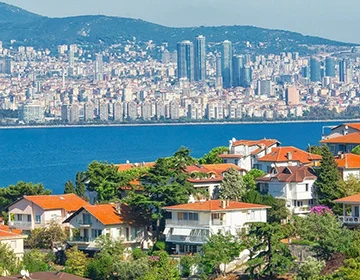
Experience Unmatched Panoramic Sea Views at our Luxurious PropertyThe green transformation of Turkey's housing sector has moved from policy discussion to legal requirement. Residential buildings account for a significant share of Turkey's total energy consumption — estimates put it at approximately 30–35% of national energy use — which is precisely why the construction sector has become a primary target for climate policy. The Ministry of Environment, Urbanization and Climate Change has been the central authority overseeing this transition, and the regulatory direction since 2022 has been consistently toward higher performance standards.
The Nearly-Zero Energy Building concept, introduced in Turkey in 2023, was the most significant regulatory step in this direction. The framework encourages — and in certain new project categories, effectively requires — developers to improve insulation specifications and integrate renewable energy sources where technically feasible. This has translated into measurable changes on construction sites: thicker external insulation, triple-glazed windows in higher-spec projects, solar panel integration on rooftops, and heat recovery ventilation systems in new complexes.
Buyers are responding to these changes in ways that matter financially. Energy-efficient apartments reduce monthly utility costs meaningfully — in a city like Istanbul where electricity and gas costs have risen sharply over the past three years, an apartment with an A or B energy certificate versus a D-rated older building can mean a difference of approximately 25–40% in annual utility expenditure. For tenants, this matters. For landlords, it means tenants stay longer and are willing to pay higher rent for lower total occupancy cost.
This is precisely where expert local guidance becomes critical. Not all green certifications carry equal weight in Turkey's market, and not all developers applying sustainability language to their marketing are delivering substantive performance improvements. Knowing the difference between genuine certification and cosmetic labelling is where experienced advisors add real value.
Opportunity Angle: Early movers acquiring certified energy-efficient stock now are buying into a premium tier that will become the standard within 5–7 years, capturing both the yield premium today and the capital gain as the gap between certified and uncertified stock widens.
Istanbul Districts Where Smart and Green Development Is Concentrated
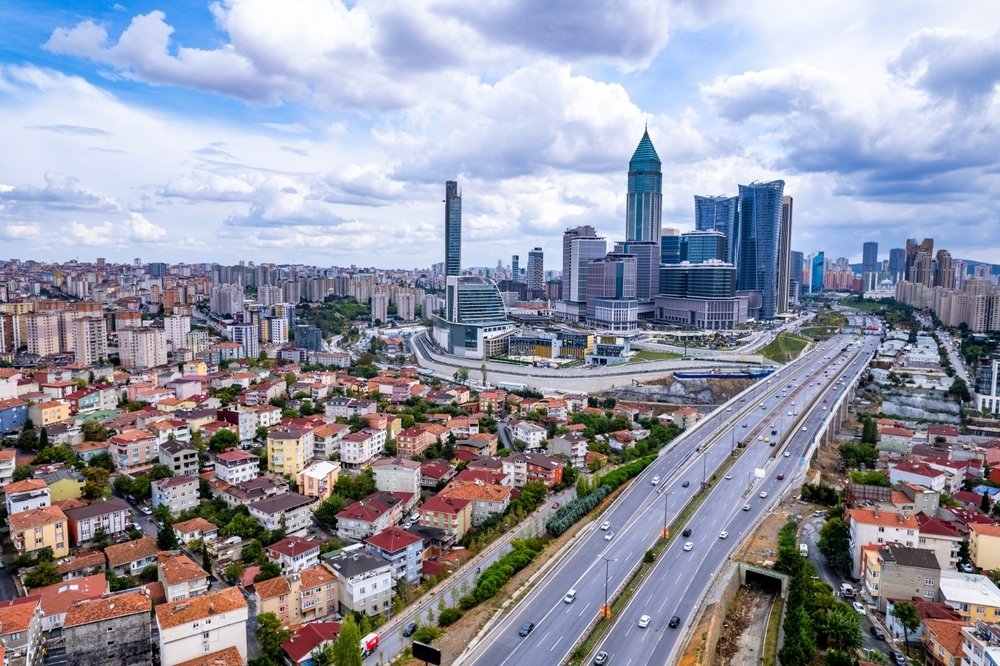
Invest in Luxury Living Near the Sea with Our Beylikdüzü Project!Smart and sustainable development is not evenly distributed across Istanbul. Three district clusters are seeing the highest concentration of spec-forward, tech-enabled, green-certified projects as of May 2026, and these are the areas where the yield premium for quality stock is most measurable.
Ataşehir and Ümraniye on the Asian side represent Istanbul's most active smart development corridor. Ataşehir's financial district attracts corporate tenants who specifically require modern, well-specified apartments. Prices in this corridor range from approximately $4,500–$8,000/m² for new certified stock, and gross rental yields on quality apartments are running at approximately 6–8% as of May 2026. The DAP Ataşehir 173 development exemplifies the calibre of projects now defining this market. On the Ümraniye side, proximity to the E-5 highway and expanding metro connectivity makes smart-enabled projects there particularly attractive for the mid-to-upper rental segment.
Sarıyer and Maslak on the European side represent Istanbul's prestige smart development market. Projects in this corridor, including RAMS Park House Maslak, sit at the intersection of Maslak's business district demand and Sarıyer's premium residential profile. Prices here range from approximately $5,000–$10,000/m² for certified new stock, with yields typically in the 5–7% range — lower absolute yield but stronger capital appreciation trajectory. Küçükçekmece represents the accessible entry point in this story. This district is seeing significant infrastructure investment, including proximity to the Canal Istanbul corridor, and new projects here are integrating smart features at price points that remain accessible for first-time international investors — starting from approximately $140,000 for smart-enabled units.
Opportunity Angle: Küçükçekmece offers the lowest entry point for smart-enabled new development in Istanbul, making it the optimal entry district for investors targeting yield over prestige.
Ready-to-Move vs Off-Plan: Which Makes More Sense for Sustainability-Focused Buyers
The smart home and sustainability story plays out differently depending on whether you are buying a completed apartment or committing to an off-plan project. Both routes have legitimate investment cases in May 2026, but the variables differ significantly.
Off-plan projects launched in 2024–2025 are almost universally being built to the new Nearly-Zero Energy Building standards and include smart home infrastructure from the ground up. Buying off-plan in this cycle means acquiring a property that will be fully code-compliant and technologically current on delivery. Price discounts of 15–25% relative to completed market value are typical at launch stage in Istanbul, though delivery timelines of 18–36 months mean capital is committed without generating yield during that period. For investors who can tolerate that gap, the combination of entry price discount and built-in green certification creates a strong long-term return case.
Ready-to-move properties in newer complexes — those delivered in 2022 or later — already meet current smart and energy standards in most cases. The yield starts immediately, and there is no construction or delivery risk. The trade-off is a higher entry price and a smaller margin between purchase cost and current market value. For investors prioritising cash flow from day one, this is the more pragmatic route. Domirel advisors are currently recommending a hybrid approach for mid-to-large portfolio buyers: one off-plan unit for capital appreciation and one ready unit for immediate cash flow, spreading risk while capturing both sides of the market cycle.
The calculus changes for properties targeting the upper end of the market. In districts like Beşiktaş and Sarıyer, ready luxury stock with smart features and green ratings — such as Kiler GYO - Referans Beşiktaş — carries a premium but also delivers immediate rental demand from Istanbul's most liquid tenant pool. Investors who act during market corrections typically secure the best long-term deals, and the current pricing environment in select Istanbul districts still represents a strategic entry window relative to comparable European city markets.
Opportunity Angle: Ready smart-enabled apartments in Ataşehir and Ümraniye are currently generating gross yields of approximately 6–8% with immediate occupancy — the optimal entry for income-focused international investors.
Three Investor Profiles for Smart and Sustainable Property in Turkey
Not every investor should approach the smart home and sustainability story the same way. The right strategy depends on your capital position, timeline, and primary objective.
Profile 1: The Yield-First International Investor. This buyer has $200,000–$500,000 to deploy and wants income from day one. The optimal play in May 2026 is a ready-to-move smart-enabled apartment in Küçükçekmece or Ümraniye, where entry prices are accessible and rental demand from young professionals and corporate tenants is consistent. Gross yields of 6–8% are achievable on quality stock in these districts. The energy efficiency of the building directly supports tenant retention — lower running costs mean tenants renew rather than seek cheaper alternatives. Our on-the-ground team notes that the most sophisticated buyers right now are specifically filtering for A and B energy certificates when shortlisting properties in these corridors, understanding that this certification tier retains tenants and supports rent increases annually.
Profile 2: The Capital Growth Investor with a 5–7 Year Horizon. This buyer has $500,000–$1,500,000 and is focused on maximising the exit value rather than maximising monthly cash flow. The smart and sustainability premium will widen over the next 5–7 years as regulation tightens and uncertified stock ages. Buying certified, smart-enabled property in Ataşehir, Maslak, or Beşiktaş now means positioning in the tier of stock that will command the strongest buyer demand at exit. Capital appreciation in these districts has historically tracked at approximately 8–15% annually in USD terms during stable periods, and the green premium adds a structural tailwind to that baseline.
Profile 3: The Portfolio Diversifier from High-Cost Markets. This buyer is typically coming from Western Europe, the Gulf, or North America, where equivalent quality is 3–5x the price. For them, Istanbul's smart-enabled stock offers a quality-per-dollar argument that is difficult to match globally. A $600,000–$800,000 budget that would buy a modest apartment in Munich or a small flat in central London buys a large, fully-specified smart apartment in Ataşehir or a premium unit in Sarıyer. At Domirel, we help investors identify these windows before they close — particularly in districts where new metro infrastructure is compressing the price gap between emerging and established corridors faster than the general market anticipates. For a broader view of where smart and sustainable development intersects with Istanbul's district-by-district investment case, the Istanbul Real Estate 2026: Market Data, District Analysis and Investment Strategy guide provides detailed context.
Opportunity Angle: Portfolio diversifiers from high-cost markets get the most dramatic quality-per-dollar advantage in Istanbul's smart development segment — a $700,000 budget here buys assets that would cost $2M+ in comparable European cities.